

Steam from reformed and reaction gas.
Hydrogen, methanol, ammonia and spent acid units all make a hot, high-pressure process gas that has to be cooled precisely. The process gas boiler does that and gives the plant its high-pressure steam.

128 TPH
70 kg/cm²
284 °C steam
20+ installations
What it is
A process gas boiler is a waste heat boiler whose gas side is itself under pressure, often at 20 to 40 bar, and whose inlet temperature can approach 900 to 1,000 °C. The established form is a horizontal fire-tube unit: the gas enters through a refractory-lined channel, passes through tubes protected at their inlets by ferrules, and leaves at a temperature controlled by an internal or external bypass. The shell generates steam, either into an integral drum or a separate elevated drum.
- Fire Tube design with(out) Hot / Cold Bypass
- Design consideration for high gas side operating pressure
- Single piece / extended ferrules
- Special consideration for Metal dusting issues
- GAPFREE WELDING to avoid CREVICE CORROSION
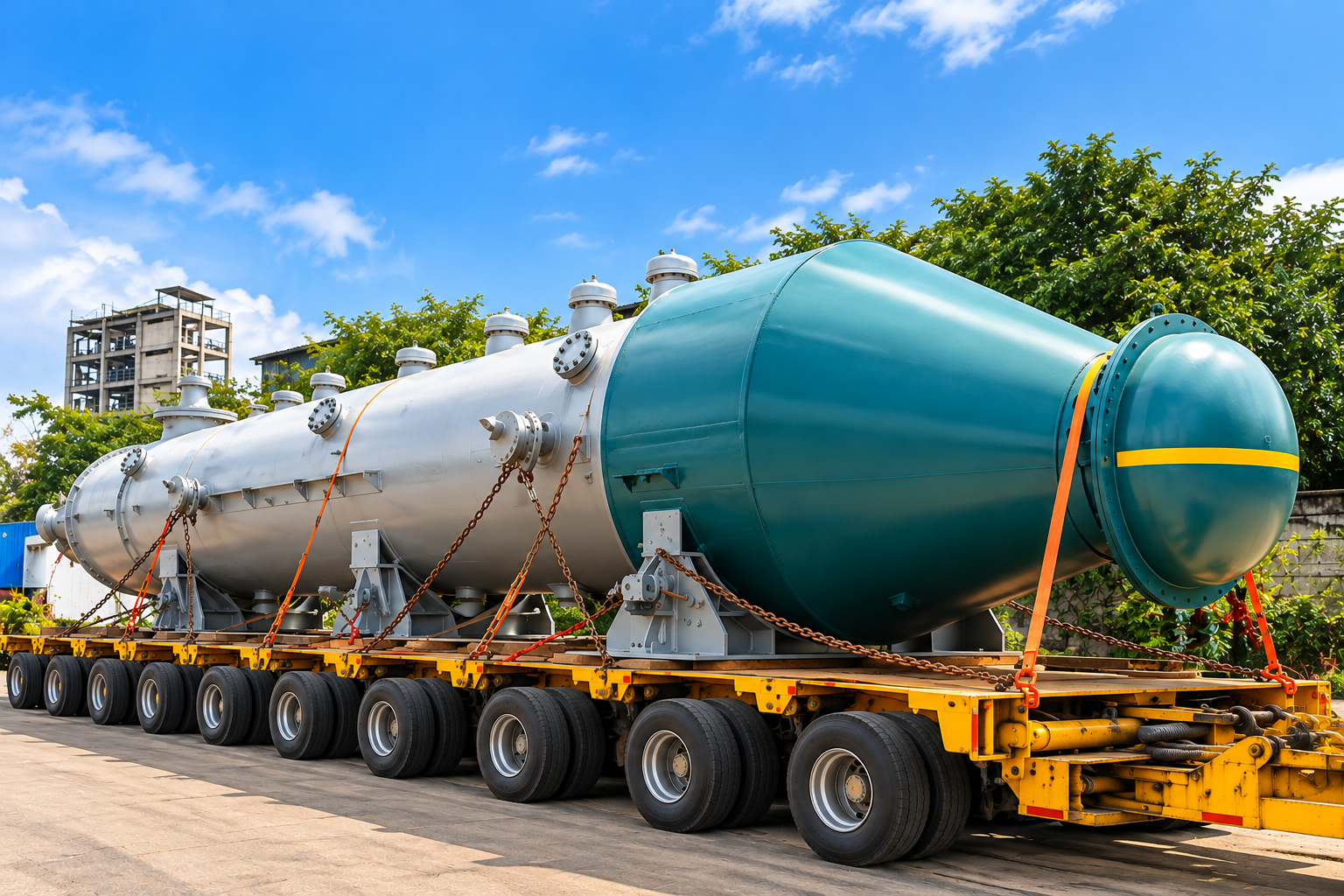

How we build it
- Refractory-lined inlet channel and single-piece or extended ferrules at the tube inlets
- Gap-free tube-to-tubesheet welding to avoid crevice corrosion
- Internal or external hot or cold gas bypass for outlet temperature control
- Tubesheet and joint design for high gas-side pressure and thermal stress
- Materials and operating temperatures selected against metal dusting
- Single or twin boiler arrangements; integral or separate steam drum; superheater option
For Hydrogen Generating Units
Hydrogen is produced by steam reforming of natural gas / refinery fuel gas; the reformed process gas leaves the reformer at high temperature and is cooled in a process gas boiler, generating steam.
Thermal Systems is a leading supplier of Process Gas Boilers — fire tube designs with or without hot/cold bypass, single-piece or extended ferrules, gap-free welding against crevice corrosion, and metal-dusting-aware design — holding the largest installation share in Indian refineries.

